—— Product Center ——
Quality builds brands, technology strengthens capabilities,
global development is achieved together.
‹
›
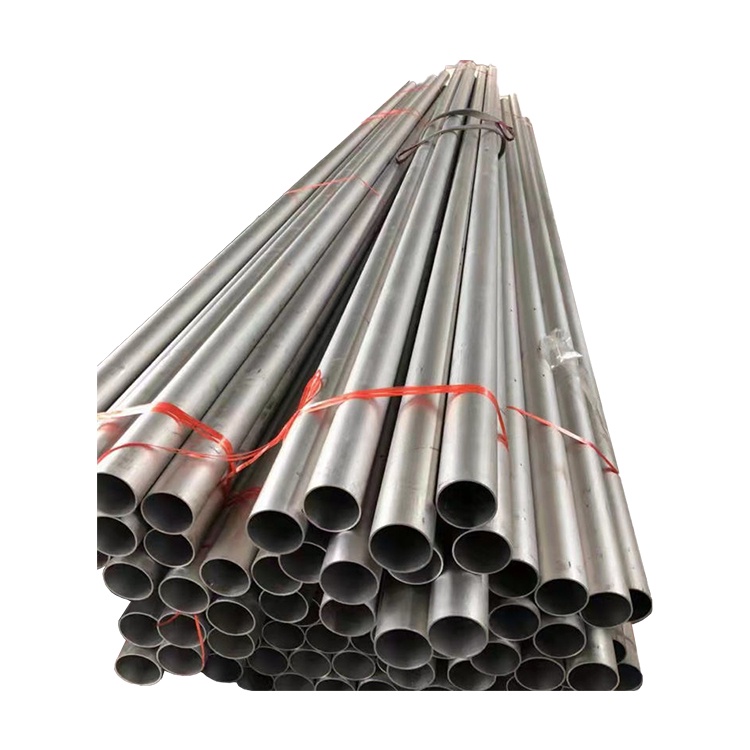
For high-chlorinated seawater, strong corrosion, high-end marine/specialty chemical applications, and where higher costs are not a concern: Choose 254SMo.
Material Basics and Grade Comparison
317L (Ultra-Low Carbon Austenitic Stainless Steel)
Standard Grade: UNS S31703 / 1.4438 / TP317L / 00Cr19Ni13Mo3
Core Composition: C≤0.03%, Cr≈18–20%, Ni≈12–14%, Mo≈3.0–4.0%, low C + high Mo, superior resistance to intergranular corrosion and pitting corrosion compared to 316L
Density: 7.98 g/cm³; Non-magnetic; Solution Treatment Temperature: 1050–1100℃, Rapid Cooling
254SMo (Super Austenitic 6 Molybdenum Stainless Steel)
Standard Grade: UNS S31254 / 1.4547 / F44 / 00Cr20Ni18Mo6CuN Core components: C≤0.02%, Cr≈19.5–20.5%, Ni≈17.5–18.5%, Mo≈6.0–6.5%, Cu≈0.5–1.0%, N≈0.18–0.22% Density: 8.24 g/cm³; Non-magnetic; Solution treatment temperature: 1150–1200℃ (rapid cooling) Pitting equivalent PREN: ≥43 (317L≈28; 316L≈26), extremely strong resistance to chloride ion corrosion.
Mechanical properties (in the solution state)
317L Stainless Steel
Advantages: High molybdenum and ultra-low carbon (Mo≈3%), superior corrosion resistance compared to 304/316L, with outstanding resistance to pitting corrosion, crevice corrosion, and weak sulfuric acid/phosphoric acid corrosion; Ultra-low carbon (C≤0.03%), strong resistance to intergranular corrosion, good weldability, and less prone to post-weld sensitization; Austenitic matrix, excellent low-temperature toughness, moderate high-temperature resistance, suitable for chemical heat exchange, desulfurization, and wet papermaking environments; Moderate cost-effectiveness, cheaper than 254SMo and 904L, making it a mainstream material for upgrading and replacing 316L; Mature production process, complete specifications (seamless/welded pipes, various diameters, and thick walls can all be customized), stable supply for export.
Typical applications: Chemical pipelines, heat exchangers, flue gas desulfurization, papermaking, food processing, and non-harsh marine environments.
Disadvantages: Limited resistance to high chloride ions and strong seawater corrosion; unsuitable for seawater desalination and harsh marine environments; lower molybdenum content and lower PREN, making it prone to pitting corrosion in strong oxidizing acids and high-salt environments; raw materials contain nickel and molybdenum, resulting in higher costs than ordinary 304/316L; moderate high-temperature strength, unsuitable for core pipelines in ultra-high temperature pressure boilers.
254SMo (S31254/6Mo Super Austenitic)
Advantages: High molybdenum 6%+ nitrogen + copper composite alloy, PREN≥43, top-level resistance to chloride ions/seawater/high salt corrosion; Resistant to pitting corrosion, crevice corrosion, stress corrosion (SCC), and strong reducing acids, suitable for direct use in seawater desalination, offshore platforms, and high-salt FGD desulfurization; Mechanical strength far superior to 317L/316L, strong pressure bearing capacity, allowing for lightweight pipe wall design; Good low-temperature toughness, excellent weldability, and overall corrosion resistance stability far exceeding ordinary austenitic alloys; Can replace expensive nickel-based alloys, offering outstanding cost-effectiveness in high-end, highly corrosive applications.
Typical applications: Seawater desalination, offshore platforms, strong acid chemicals, flue gas desulfurization, pulp bleaching, nuclear power, high-salt chemicals
Disadvantages: High alloy composition (high Ni, high Mo, Cu/N content), extremely high raw material costs, high selling price, and high order thresholds; Difficult to smelt and roll, long lead times for large-diameter/thick-walled non-standard specifications, and high MOQ requirements; Stringent heat treatment processes, requiring precise solution treatment and pickling passivation; inadequate processes can easily affect corrosion resistance; Strict global control over 6Mo high-end alloys, with numerous foreign trade certifications and testing requirements (PMI, intergranular corrosion, HIC); Strength decays under long-term high-temperature conditions exceeding 600℃, unsuitable for ultra-high temperature furnaces/steam mains.
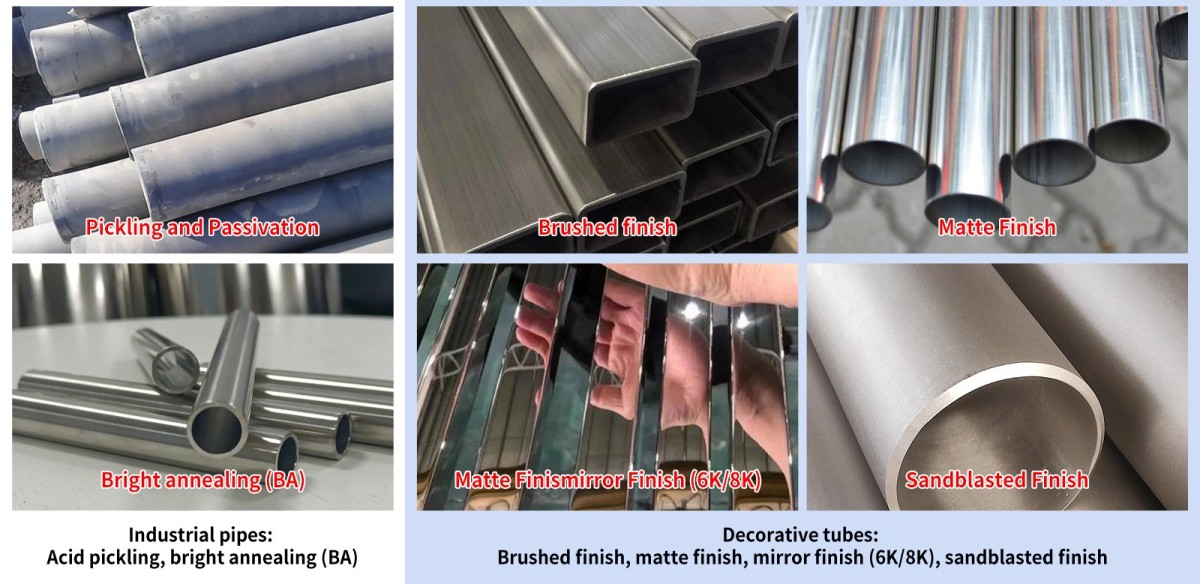
Surface Treatment (Commonly Used in Export)
317L:AP Pickling and Annealing (Industrial General Purpose), 2B Cold Rolled Matte, No.4 Brushed, BA Bright, Sandblasting
254SMo:Pickling and Passivation (Required), 2B/BA, No.4/8K Mirror Finish, Electropolishing (Sanitary Grade. High Corrosion Conditions Preferred: Pickling + Passivation + Internal Polishing to Ensure Corrosion Resistance
Payment Methods
Flexible payment terms available: T/T and L/C. For new clients, 30% advance payment for production, balance against copy of B/L. L/C is acceptable for large & regular orders to secure both parties.
Warehousing Management
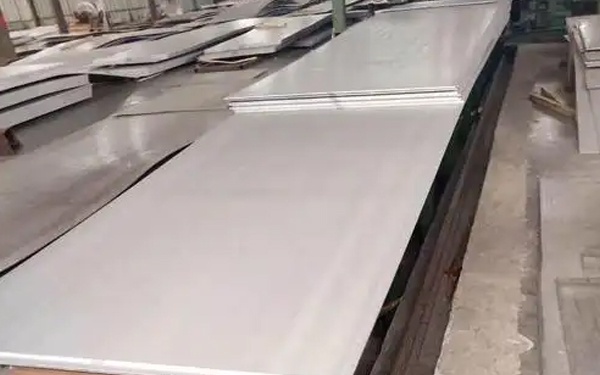
Before each batch of steel leaves the factory, a complete process inspection is strictly carried out. From chemical composition, mechanical properties to dimensional tolerance and surface quality, each item is carefully checked to ensure compliance with national standards and export regulations. At the same time, the quantity, packaging and rust prevention treatment are also verified. An original factory warranty certificate is attached, guaranteeing the quality. Before shipment, inspection photos are provided. Any non-compliant items will not be released, and the quality is fully controllable throughout the process. This ensures your overseas purchasing is safe and worry-free.
All items are visually inspected before delivery. No cracks, deformation, rust, scratches or cutting marks are allowed; edges must be smooth. Only visually sound products will be shipped.
Thickness, width, length, wall thickness, outer diameter have been measured. Straightness, curvature, torsion, diagonal tolerance all meet the corresponding tolerance requirements.
Quality inspection includes: mechanical property tests (yield strength, tensile strength), elongation rate, impact energy, hardness testing, chemical composition testing, process performance testing, etc.
Inspection according to packaging requirements: secure binding, moisture-proof film, rust-proof paper, export fumigation/fumigation-free wooden crates, shipping marks, gross weight, net weight, etc.
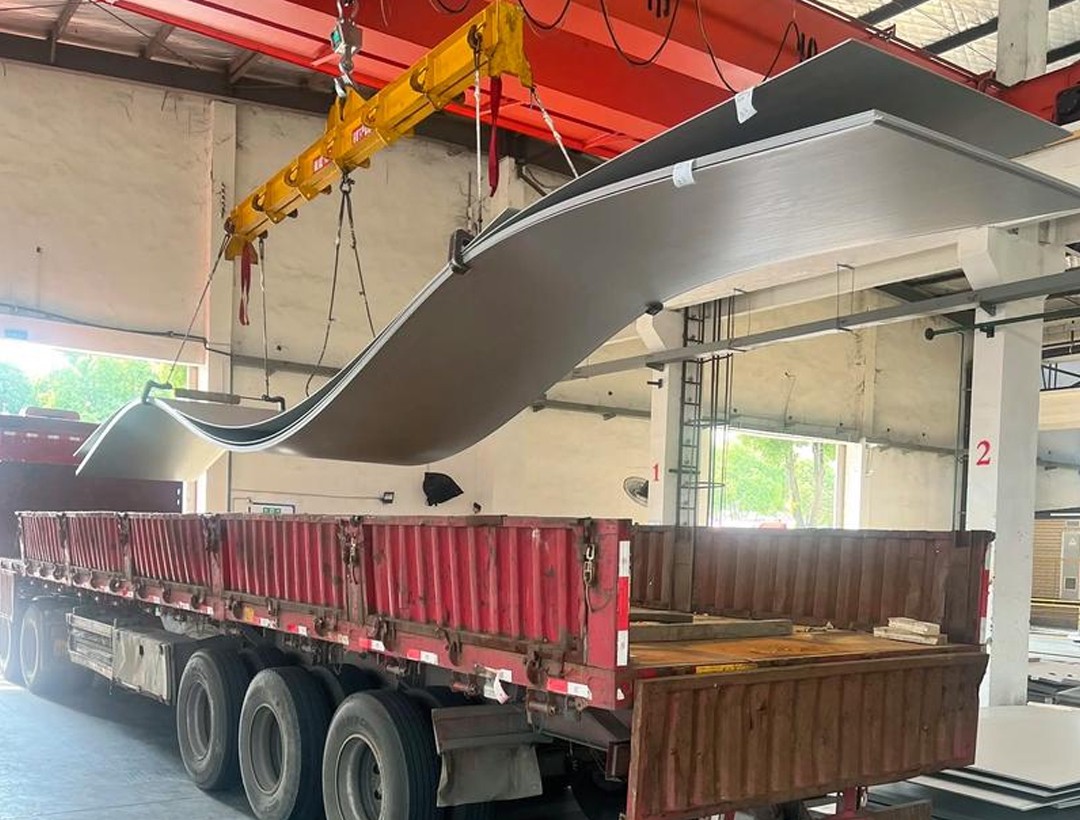
We will provide full reception services to support the customers' on-site inspection of the goods.
Warehousing Management
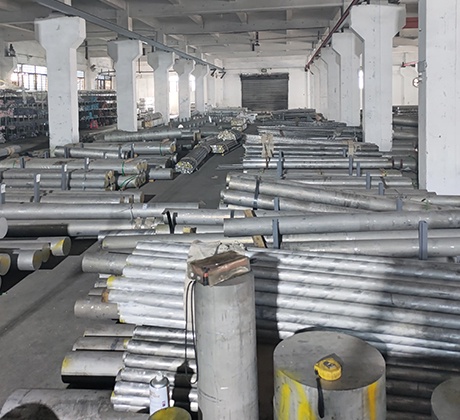
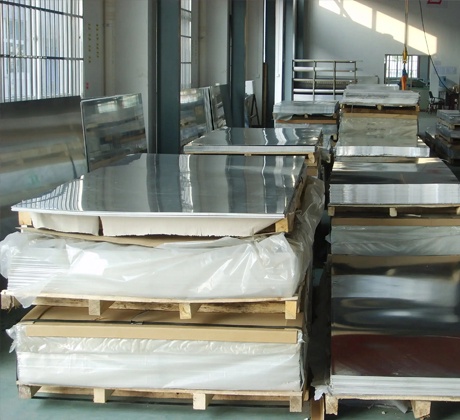
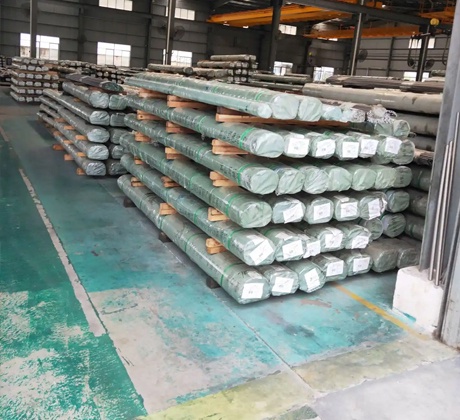
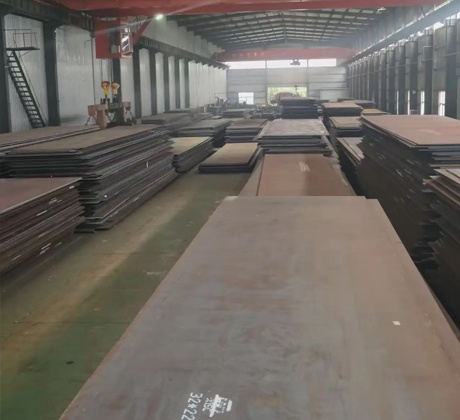
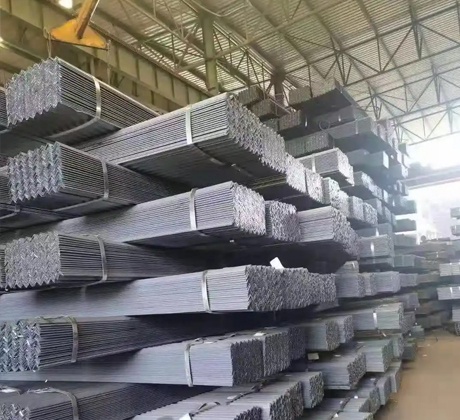
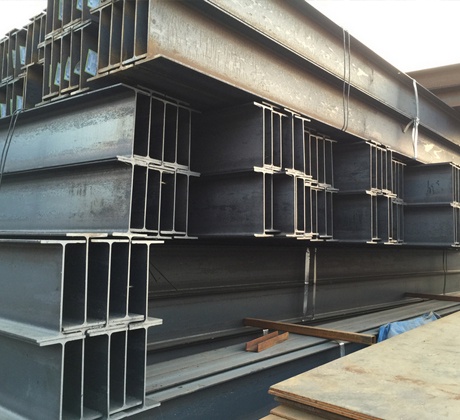
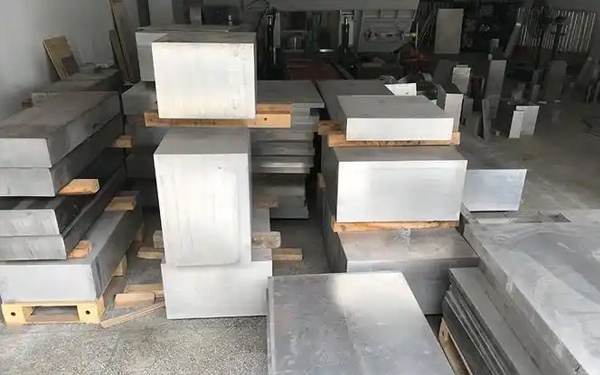
A ten-thousand-ton standardized warehouse with grid-based zoning and system positioning enables rapid material retrieval and reduces the time spent searching for materials.
Inbound inspection: Verify the physical items against the inbound form, inspect the appearance, dimensions, and labels. Once confirmed to be correct, the materials are entered into the ERP system and processed for storage.
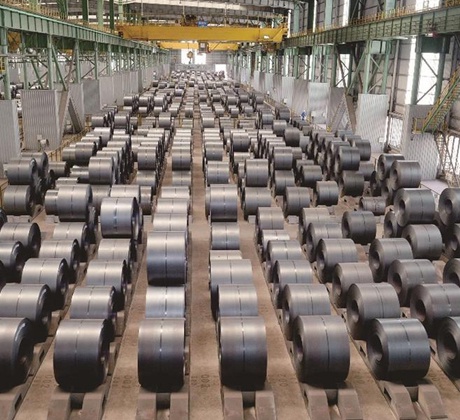
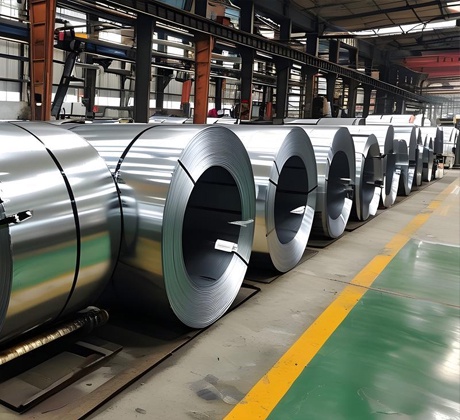
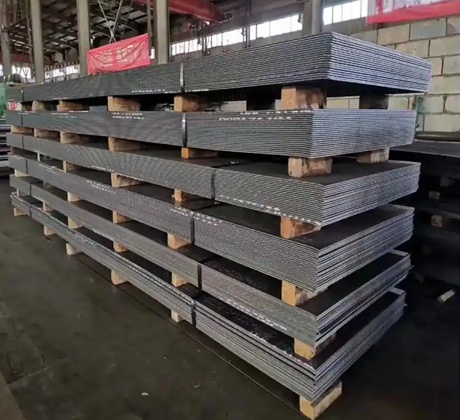
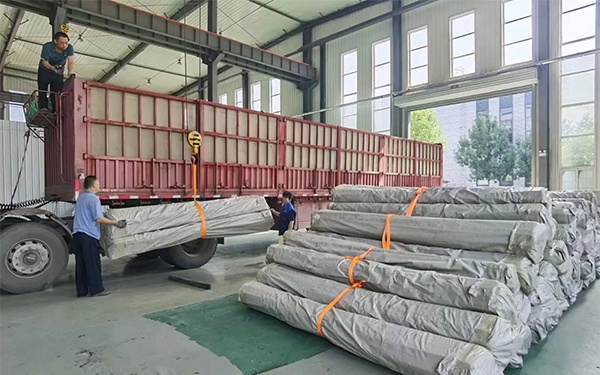
Logistics and Global Delivery: Self-operated fleet + contracted logistics partners; expedited service available for urgent orders.
International Shipping: Supports FOB, CIF, DDP, and other trade terms, covering 100+ countries and regions.
Process: Booking → Trucking → Customs Declaration → Loading onto Ship/Aircraft → Bill of Lading Issuance → Document Delivery → Destination Port Customs Clearance (Optional) → Last-Mile Delivery.
Provides door-to-door one-stop logistics with full tracking to ensure safe and timely arrival of goods.
After-Sales Service and Traceability: Delivery receipts, logistics information, and quality inspection documents are sent to customers within 24 hours of shipment.
Established a full product lifecycle traceability system, allowing tracking of production, quality inspection, warehousing, and transportation records.
Follow-up inspection within 72 hours of arrival; rapid response and handling of quality issues; assistance in resolving customs clearance issues for foreign trade orders.
Packaging Method
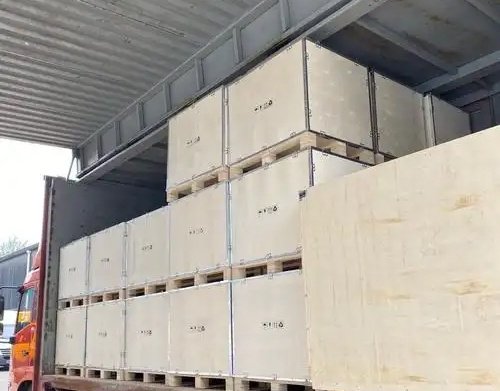
Fumigation-free plywood boxes
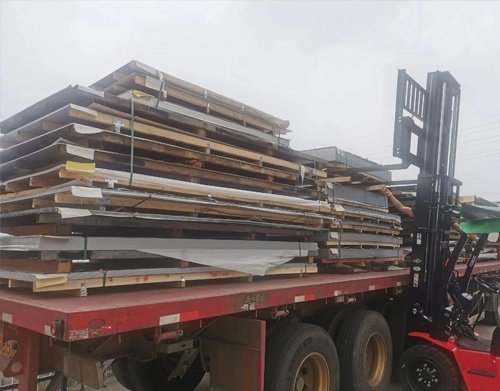
Steel strapping/bottom pallet
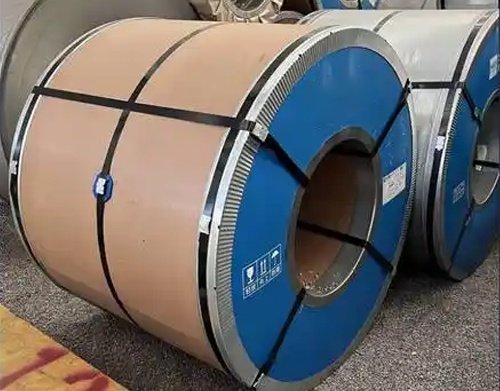
Vacuum/VCI Rust-Proof Paper
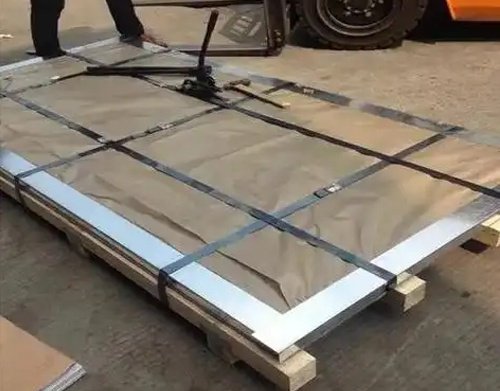
Steel plate frame reinforcement
 Round-steel-Incoloy-825
 GH4033-high-temperature-alloy-plate
 AZ91D-magnesium-alloy-block

Get A Free Quote Now