—— Product Center ——
Quality builds brands, technology strengthens capabilities,
global development is achieved together.
‹
›
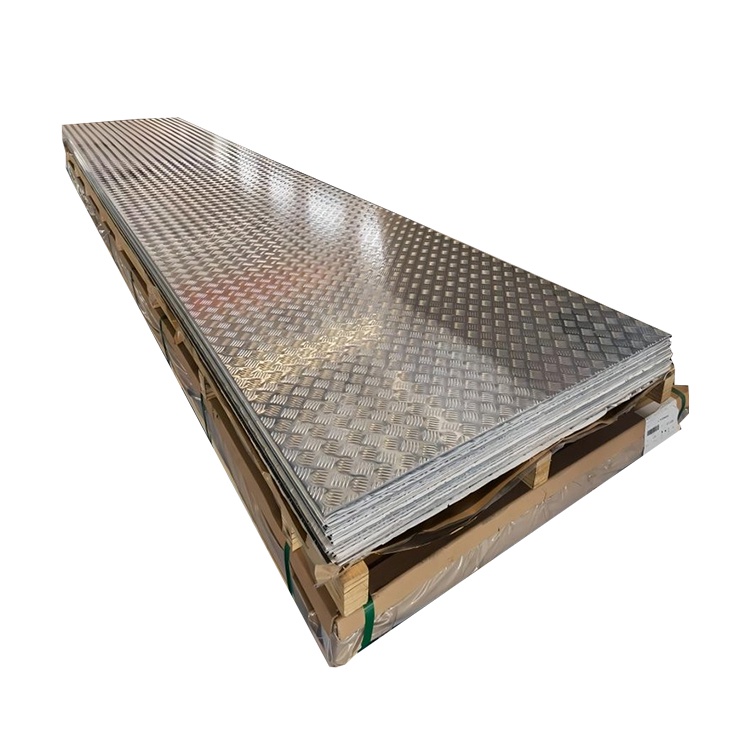
Aluminum tread plate (Aluminum Tread Plate / Checkered Plate / Embossed Aluminum Plate) is produced by taking aluminum alloy coils or sheets and passing them through specialized patterned rollers. This process creates an integrated, raised, anti-slip pattern on one side of the material. The pattern is an inherent part of the base metal—not applied via adhesives or coatings—and serves to increase the surface coefficient of friction, providing anti-slip properties, visual warning, and wear resistance. Common industry terms include "patterned aluminum plate," "anti-slip aluminum plate," "tread plate," and "walkway aluminum plate."
Key industry standards include: GB/T 3618, ASTM B632, EN 485-2, and JIS H4000.
Common alloys for the base substrate include 1060, 3003, 5052, 5754, and 5083; 6061 is used in select cases where specific structural requirements apply.
For patterned aluminum plates, the most commonly used tempers are H114, followed by H22, H24, and O; harder tempers such as H18 or H34 are rarely used for anti-slip plates.
Product features: Lightweight and naturally resistant to rust and moisture due to an inherent passivating oxide film. The material can be cut, bent, punched, or welded. The surface can be left in its original rolled finish or, if required, treated via anodizing or powder coating. It is non-magnetic and exhibits excellent low-temperature performance, meaning it will not become brittle or crack in cold storage facilities or cold-climate environments.

Supports custom patterns. Can be adjusted promptly according to customer requirements.
Applications (Common Use Cases)
Transportation: Flooring for trucks, trailers, and buses; ramps; RV flooring; container steps.
Marine & Maritime: Deck walkways, gangways, and offshore platforms (use 5083/5754 marine-grade alloys).
Industrial: Workshop platforms, stair treads, warehouse loading/unloading docks, and anti-slip bases for machinery and equipment.
Other: Tool box panels, equipment guards, architectural wall cladding, cold storage flooring, and anti-slip plates for wind power platforms.
Material Advantages and Characteristics
1060: Pure aluminum; cost-effective and easy to form; suitable for light-duty, dry indoor environments and decorative purposes—the top choice for budget-conscious projects.
3003: Aluminum-manganese alloy; offers better rust resistance than 1060 and good formability (bending); a versatile, economical option for general walkways and vehicle flooring.
5052: Aluminum-magnesium alloy; the best-selling grade, offering an excellent balance of strength, corrosion resistance, and weldability—suitable for both land and marine applications.
5754: Aluminum-magnesium alloy; a highly popular choice in Europe, frequently used for automotive, trailer, and European marine projects.
5083: Marine-grade aluminum; highly resistant to seawater corrosion; ideal for offshore, marine, and maritime projects—comes at a higher price point.
6061: Aluminum-magnesium-silicon alloy; heat-treatable for high strength; suitable for load-bearing anti-slip structures that require subsequent machining—more challenging to bend.
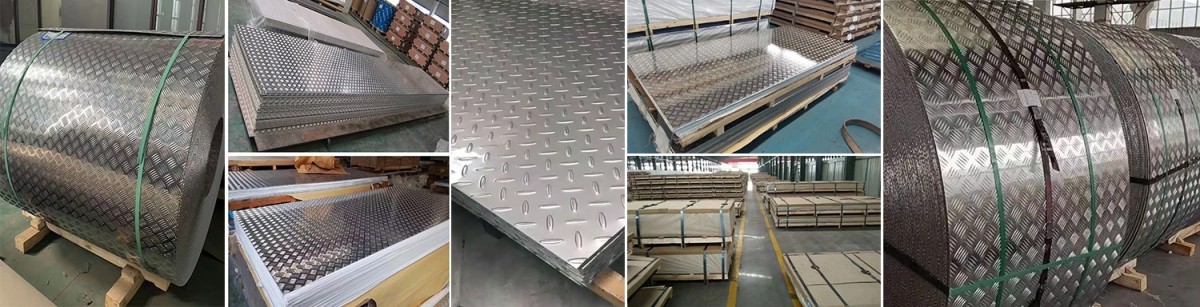
Core Advantages of Our Products
1. Lightweight: Approximately 60% lighter than patterned steel plates, resulting in lower costs for handling, loading, and installation.
2. Natural Rust Resistance: Features a self-protecting aluminum oxide layer, making it highly resistant to rust in humid, rainy, or coastal environments—no painting or maintenance required.
3. Ease of Processing: In the H114 temper, the material offers excellent bending, cutting, and punching characteristics, making it ideal for secondary processing in trailer manufacturing and shipyards.
4. Slip Resistance and Stability: The pattern is integrated via roll-forming, ensuring it remains secure and provides reliable traction in both dry and wet conditions.
5. Compliance with Multiple Standards: Material Test Certificates (MTC) are available, meeting ASTM, EN, and JIS standards to satisfy customs clearance requirements and project specifications in Europe, the Americas, the Middle East, Australia, and Southeast Asia.
6. Diverse Pattern Options: Available in various patterns—such as 5-bar, lentil, diamond, and compass—to suit the specific preferences and usage habits of customers in different countries.
Payment Methods
Flexible payment terms available: T/T and L/C. For new clients, 30% advance payment for production, balance against copy of B/L. L/C is acceptable for large & regular orders to secure both parties.
Warehousing Management
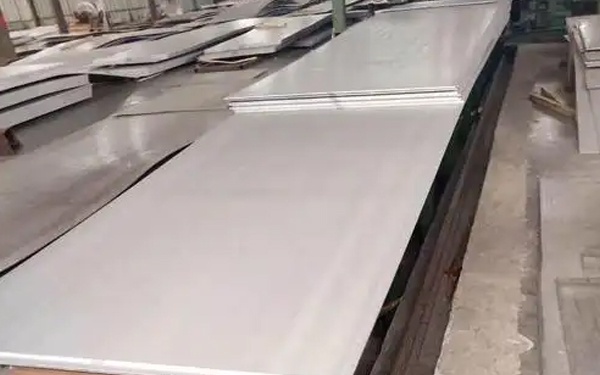
Before each batch of steel leaves the factory, a complete process inspection is strictly carried out. From chemical composition, mechanical properties to dimensional tolerance and surface quality, each item is carefully checked to ensure compliance with national standards and export regulations. At the same time, the quantity, packaging and rust prevention treatment are also verified. An original factory warranty certificate is attached, guaranteeing the quality. Before shipment, inspection photos are provided. Any non-compliant items will not be released, and the quality is fully controllable throughout the process. This ensures your overseas purchasing is safe and worry-free.
All items are visually inspected before delivery. No cracks, deformation, rust, scratches or cutting marks are allowed; edges must be smooth. Only visually sound products will be shipped.
Thickness, width, length, wall thickness, outer diameter have been measured. Straightness, curvature, torsion, diagonal tolerance all meet the corresponding tolerance requirements.
Quality inspection includes: mechanical property tests (yield strength, tensile strength), elongation rate, impact energy, hardness testing, chemical composition testing, process performance testing, etc.
Inspection according to packaging requirements: secure binding, moisture-proof film, rust-proof paper, export fumigation/fumigation-free wooden crates, shipping marks, gross weight, net weight, etc.
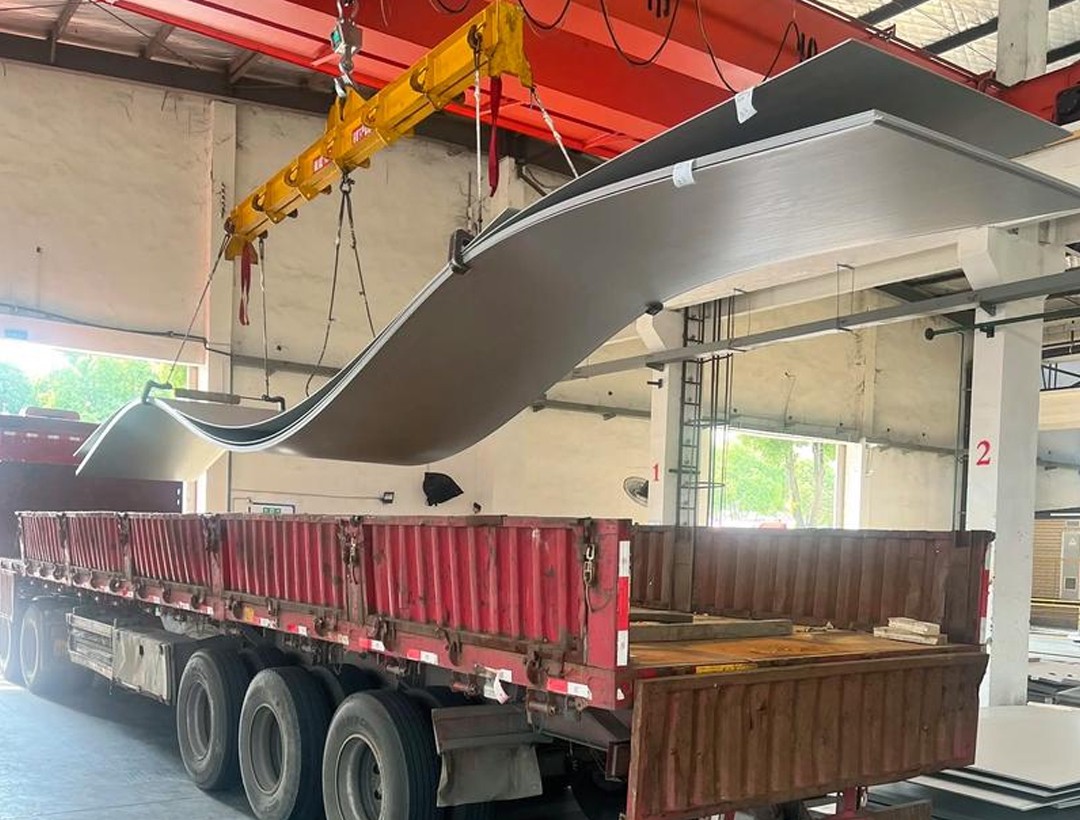
We will provide full reception services to support the customers' on-site inspection of the goods.
Warehousing Management
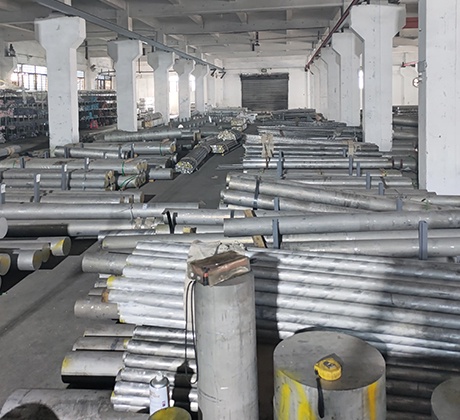
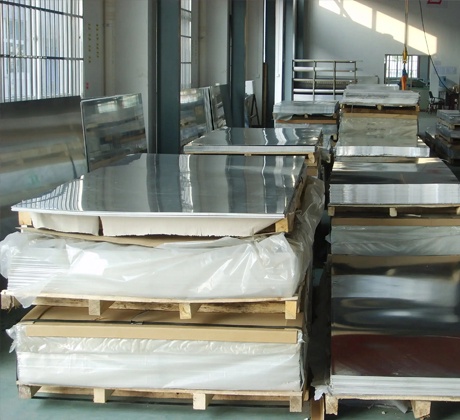
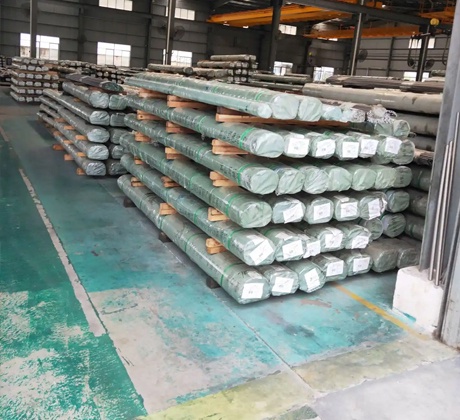
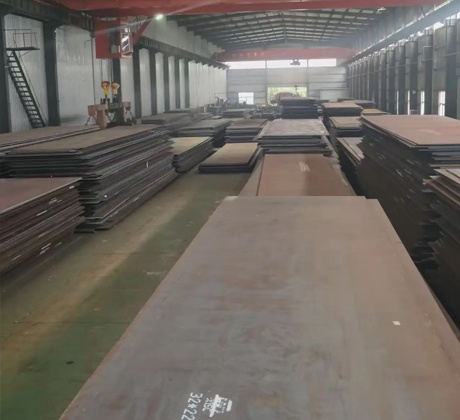
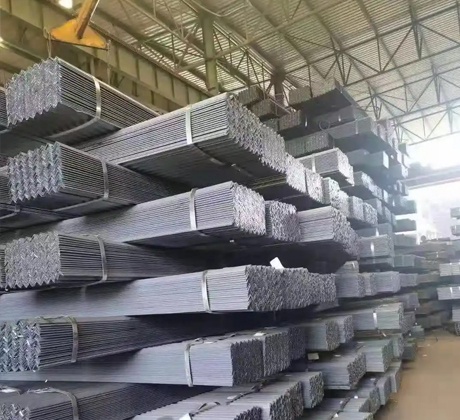
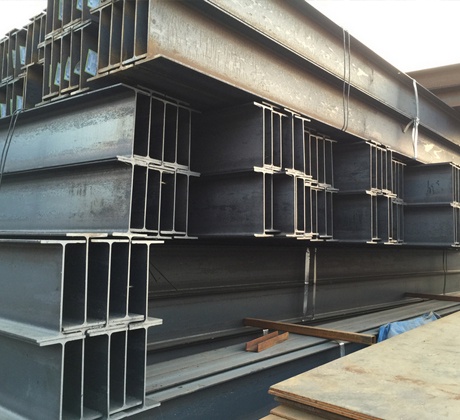
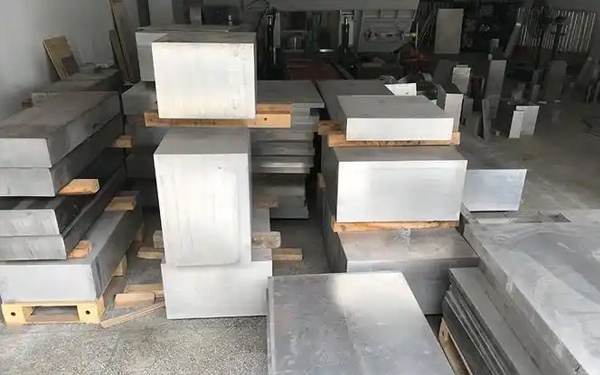
A ten-thousand-ton standardized warehouse with grid-based zoning and system positioning enables rapid material retrieval and reduces the time spent searching for materials.
Inbound inspection: Verify the physical items against the inbound form, inspect the appearance, dimensions, and labels. Once confirmed to be correct, the materials are entered into the ERP system and processed for storage.
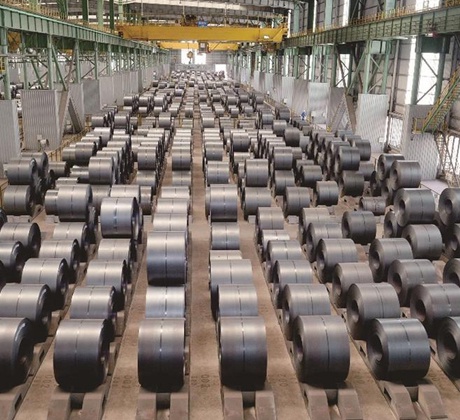
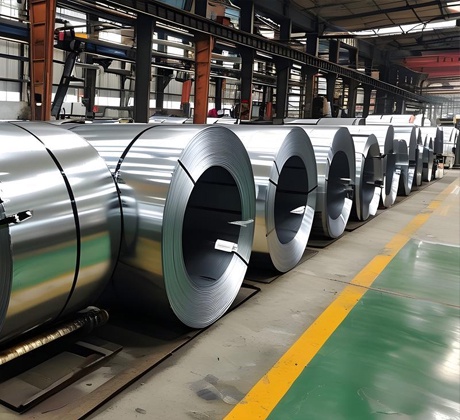
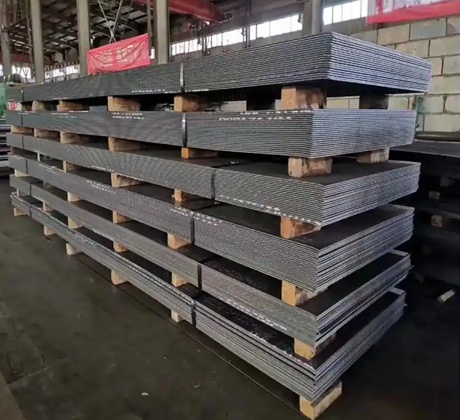
Logistics and Global Delivery: Self-operated fleet + contracted logistics partners; expedited service available for urgent orders.
International Shipping: Supports FOB, CIF, DDP, and other trade terms, covering 100+ countries and regions.
Process: Booking → Trucking → Customs Declaration → Loading onto Ship/Aircraft → Bill of Lading Issuance → Document Delivery → Destination Port Customs Clearance (Optional) → Last-Mile Delivery.
Provides door-to-door one-stop logistics with full tracking to ensure safe and timely arrival of goods.
After-Sales Service and Traceability: Delivery receipts, logistics information, and quality inspection documents are sent to customers within 24 hours of shipment.
Established a full product lifecycle traceability system, allowing tracking of production, quality inspection, warehousing, and transportation records.
Follow-up inspection within 72 hours of arrival; rapid response and handling of quality issues; assistance in resolving customs clearance issues for foreign trade orders.
Packaging Method
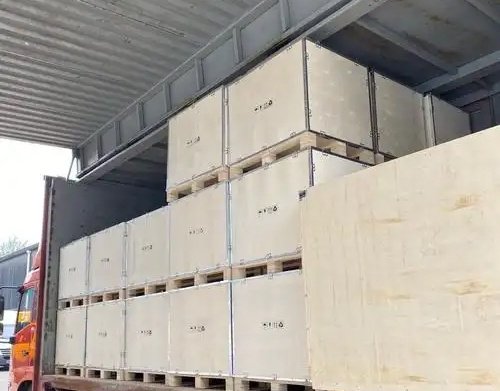
Fumigation-free plywood boxes
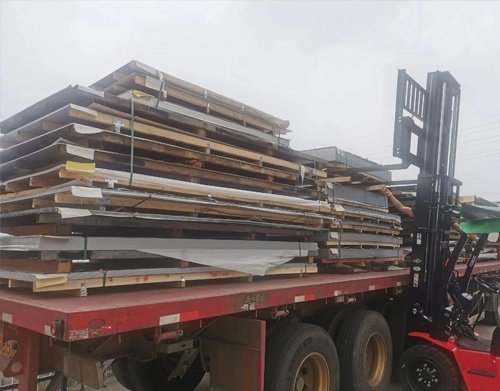
Steel strapping/bottom pallet
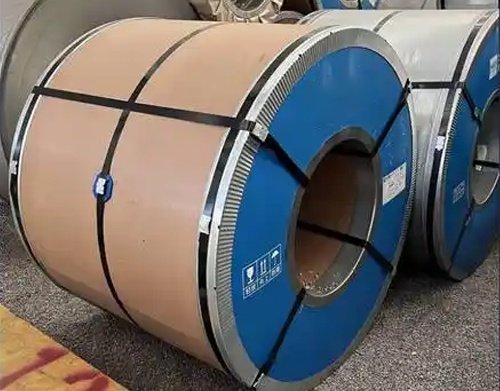
Vacuum/VCI Rust-Proof Paper
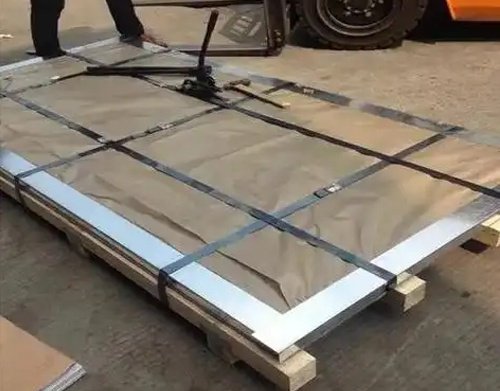
Steel plate frame reinforcement
 Round-steel-Incoloy-825
 GH4033-high-temperature-alloy-plate
 AZ91D-magnesium-alloy-block
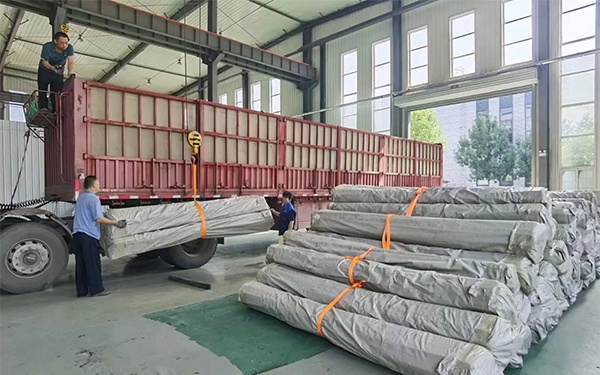

Get A Free Quote Now