—— NEWS CENTER ——
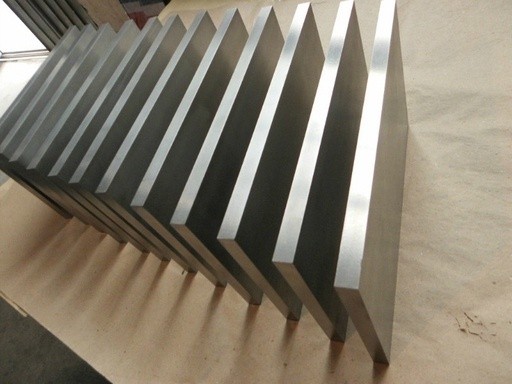
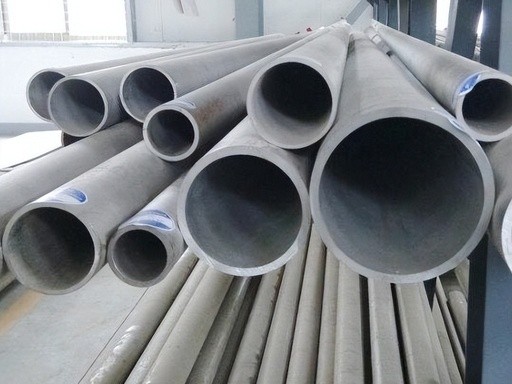
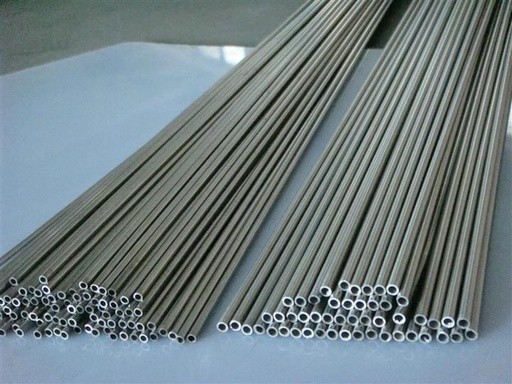
Incoloy 825 (UNS N08825/W. Nr. 2.4858) is a titanium-stabilized nickel-iron-chromium-molybdenum-copper austenitic corrosion-resistant alloy, possessing both excellent corrosion resistance and mechanical stability.
I. Material Characteristics
Composition: Ni 38–46%, Fe≥22%, Cr 19.5–23.5%, Mo 2.5–3.5%, Cu 1.5–3%, Ti 0.6–1.2%.
Corrosion Resistance: Resistant to stress corrosion, pitting corrosion, and crevice corrosion caused by sulfuric acid, phosphoric acid, nitric acid, and chlorides; suitable for seawater, acidic gases, and hot alkaline environments.
Performance: Mechanically stable up to 550℃; tensile strength 580–750 MPa; good weldability and machinability.
II. Typical Applications
Chemical Industry: Sulfuric acid/phosphoric acid heat exchangers, reaction vessels, pickling tanks, evaporator tube bundles.
Oil and Gas: Acidic oil and gas field pipelines, wellhead equipment, subsea pipelines (H₂S/Cl⁻ resistant).
Marine Engineering: Seawater desalination plants, heat exchangers, offshore platform pipelines.
Nuclear Industry: Nuclear fuel reprocessing equipment, radioactive waste containers.
Food and Pharmaceutical: High-cleanliness pipelines, reaction vessels, food processing equipment.
III. Maintenance and Care Points
Daily Cleaning: Wipe with neutral detergent or warm water to remove salt and acid mist residue; do not use chlorine or sulfur-containing cleaning agents to avoid localized corrosion.
Surface Protection: Keep dry and well-ventilated when not in use for extended periods; repair any damaged coatings or passivation films promptly; perform regular passivation treatment in marine/high-humidity environments.
Welding and Repair: Use matching welding wire (e.g., ERNiCrMo-3); pickle/passivate after welding; avoid prolonged use above 550℃ to prevent σ-phase embrittlement.
Regular Inspection: Measure wall thickness and check for pitting/cracks every 6–12 months; shorten the inspection cycle for chemical/marine environments.
Storage and Transportation: Store in a dry, dust-free environment. Avoid direct contact with carbon steel to prevent corrosion from dissimilar metals.
Incoloy 825's all-around corrosion resistance makes it the first choice for harsh operating conditions. Proper maintenance can significantly extend equipment life and reduce failure rates.

Get A Free Quote Now